

Understanding the psychology of risk-taking in casino environments
The Allure of Risk in Gaming
The thrill of risk-taking is a fundamental aspect of the casino experience. Players are often drawn to the potential for large payouts and the excitement of chance. This desire is deeply rooted in human psychology, where individuals are naturally inclined to seek out experiences that evoke strong emotions, including excitement and anticipation. The unpredictable nature of games like slots, poker, and roulette heightens this allure, making the prospect of risk feel invigorating. If you’re looking for guidance on navigating this environment, you can find more details here to enhance your understanding.
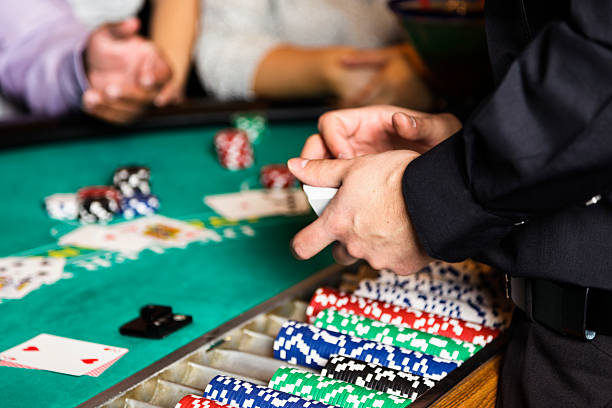
Moreover, risk-taking is often associated with a sense of control and agency. Gamblers may believe they can influence outcomes through skill or strategy, even in games reliant on chance. This perception can lead to a heightened emotional investment in the game, where players find themselves embracing risk in pursuit of rewards, often overlooking the statistical probabilities involved.
The Role of Environment in Risk Perception
The casino environment plays a critical role in shaping an individual’s perception of risk. Bright lights, engaging sounds, and an electric atmosphere create a sensory overload that can alter judgment. This environment is carefully crafted by casino operators to encourage prolonged play and increased spending. The combination of visual and auditory stimuli can lead to an altered state of consciousness, making players more susceptible to risk-taking behavior.
Additionally, the presence of other players and the social aspect of gaming can amplify the perceived excitement and risk. Observing others winning or losing creates a shared experience that can influence a player’s own decisions. The social dynamics at play, combined with environmental stimuli, can create a euphoric atmosphere where individuals feel emboldened to take risks they might otherwise avoid.
Cognitive Biases and Decision-Making
Cognitive biases also significantly impact risk-taking behaviors in casinos. Players often fall prey to the gambler’s fallacy, believing that past outcomes will influence future results, despite each game being independent. This distorted thinking can lead to reckless betting behaviors, as individuals may increase their wagers in an attempt to recover losses, further entrenching them in a cycle of risk-taking.
Similarly, the illusion of control can drive players to overestimate their ability to influence game outcomes. This belief can reinforce the notion that risks are manageable, encouraging players to take larger risks without a thorough evaluation of their decisions. Understanding these biases is crucial for recognizing how they affect behavior in high-stakes environments like casinos.
The Emotional Dynamics of Winning and Losing
The emotional highs of winning and the lows of losing play a pivotal role in gambling psychology. Winning can trigger intense feelings of joy, euphoria, and validation, reinforcing the behavior of risk-taking. Players often chase these emotional peaks, leading them to continue gambling in hopes of replicating those exhilarating moments.
On the flip side, losses can lead to frustration and despair, pushing players to risk even more in an attempt to recover their losses. This emotional rollercoaster can create a powerful cycle, where the desire to escape negative feelings drives individuals deeper into the world of gambling, often leading to irrational decision-making.

Exploring Responsible Gambling and Safe Practices
Understanding the psychology behind risk-taking in casinos also highlights the importance of responsible gambling. Awareness of one’s emotional and psychological triggers can empower individuals to make informed decisions. Many casinos offer resources and tools to help players manage their gambling behavior, such as self-exclusion programs and budgeting tools.
Educating oneself about the risks associated with gambling, as well as recognizing the signs of problematic behavior, is essential for creating a balanced approach to gaming. By fostering a mindset focused on enjoyment rather than solely on winning, players can appreciate the entertainment aspect of casinos while minimizing the potential negative impacts of risk-taking.
